


Gangmasters and Labour Abuse Authority
Marketing and visibility
We use cookies to understand how visitors use our website so we can improve it. We only set these with your consent. Cookie policy
Our work for organisations with a cause includes a UN programme, the NHS and the Gangmasters and Labour Abuse Authority, each with a big message that had to land with a wide audience.
Websites, brands, film and reports, each made for every audience a cause has to reach.
Each picture is our own work: the GLAA’s film, Safe Rugby for the NHS and RFU, the Peoples’ Climate Vote, and Loop for Table Tennis England.


Film: awareness goes further with a next step, so we tell people what to do once they have decided to act.
Accessibility: a wide audience needs light pages, plain words, good contrast, and nothing a screen reader can’t follow.
Websites: one site can give people who need help, donors, volunteers and funders a way in of their own.
Infographics and animation: a big figure is easy to scroll past, so we say what it means and give each number one clear message.
Brands and campaigns: words and pictures tested with the people they are for.
Marketing and visibility
Positioning and strategy, Branding and identity, Marketing and visibility
Digital solutions
Most charity websites serve several audiences at once, each arriving with a different question. A good one says what the charity does in its first line, then answers each of them quickly, in plain words.

If the answer to any of those is no, that is where we would start.
When an offer is difficult to explain, the cause usually sits upstream of the marketing, so we start by defining where you compete and testing it against how your buyers really decide.
A brand has to carry the weight of the business behind it, often in conversations you are not part of, so we build identities that signal the right level of expertise wherever a buyer forms a view of you.
For many buyers the website is where a shortlist is decided, so we plan every page around the questions they arrive with and the doubts that slow them down.
More activity rarely moves the numbers that matter, so we set the commercial priorities first and build the content and search programme that keeps you visible across a long sales cycle.
We start with people. We weigh what you tell us against what the data shows and what the people you need to reach say themselves. That shows what each audience needs to understand, what might make them hesitate, and what would give them the confidence to give, volunteer or ask for help. Designs are tested with those same people before anything is signed off.
Yes, if each group has a clear route of its own. We group your audiences, write down the one job each comes to the site to do, and plan the pages around those jobs, so each group can find its own way in.
Make giving the clearest thing on the page, ask only for what you need, and say plainly what a gift does. Every extra question is another chance to stop. Once it is live, look at where people drop out and fix that step first.
It depends on a few decisions far more than on the number of pages: how much thinking and content it needs, how bespoke the design is, and what it has to connect to, such as online giving, event bookings or a shop. A figure without your brief behind it would be a guess. Budget for the first year, not just the build, and compare quotes on what they include.
The one your team can update without calling a developer, and that works with the tools you already use for donations, newsletters and supporter records. It is worth listing what your current site connects to before anything changes.
Yes. A good rebrand starts by deciding what is worth keeping, and for a charity that is often the name donors and volunteers already trust. The brands we have made for causes, Loop and Safe Rugby, were new ones rather than rebrands.
Who you need to reach, in order, and what you want each group to do. The one message that matters most to each. Where they already are. And how you will know it is working: gifts, sign-ups or people helped, not likes.







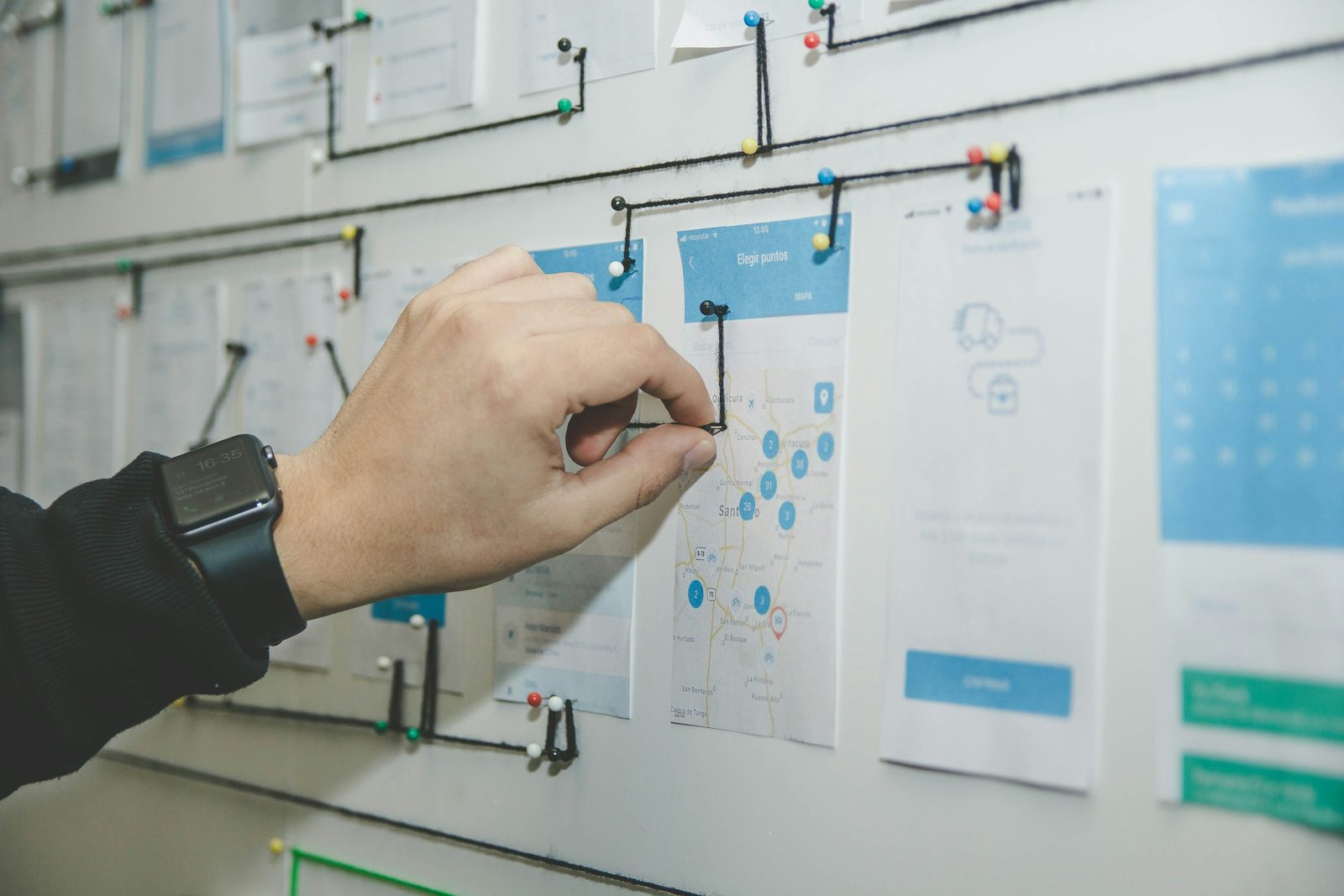
When a business says it needs more leads, the right people are often already arriving and quietly leaving, or the wrong ones are taking up everyone's time. More volume makes both worse, so find the link in the journey that breaks before paying for more attention.
7 min read

When people choose for themselves, the strongest competitor is often their own habit. They decide in a spare moment, usually on a phone, so the new option has to be the easy one.
7 min read

More people ask an AI assistant before they search, and it names only a few sources. The pages it draws on answer a real question early, plainly and specifically, the same qualities that made a page worth reading before.
8 min read

