

In this article
Losing something hurts more than gaining the same thing pleases. It is one of the most familiar findings in behavioural science, yet most marketing ignores it, leading with the upside, the growth and the opportunity while saying nothing about what the reader is losing right now by doing nothing.
It is also easy to misuse. Done badly, loss aversion is just fear, in the form of manufactured urgency, invented scarcity and the countdown timer, which works once and corrodes trust. Done honestly, it makes visible a real cost that people are already paying but have not named.
What loss aversion is, in plain terms
Imagine finding £50 in a coat pocket, then losing £50 on the way home. Most people feel the loss more sharply than they enjoy the find. Daniel Kahneman and Amos Tversky built this into prospect theory in 1979, and in 1992 they put a number on it.
- 2.25 timesthe weight a loss carried against a gain of the same size, the median estimate from a small study of choices between gambles for moneyTversky and Kahneman, Journal of Risk and Uncertainty, 1992
That is where the familiar "about twice as much" comes from, though it is better treated as a rule of thumb than a law. The effect varies with the stakes and the person, and some researchers, among them David Gal and Derek Rucker in a 2018 paper in the Journal of Consumer Psychology, argue it is far less universal than its reputation. The useful part still holds: a possible loss tends to get more attention than an equal gain.
A close relative matters just as much: people tend to stay with what they have, because changing means giving something up, which behavioural scientists call status quo bias. Together the two explain why "here is what you could gain" so often lands softly, and why doing nothing is the real competitor in so many decisions.
The dishonest version, and why it backfires
Most of us have met loss aversion used badly, in the timer that restarts when you reload the page, "only two left" on something that never runs out, or the offer that ends at midnight, every midnight.
These work on a few people, once, until the reader notices and reads everything you send after that with suspicion. For anyone who wants a customer, a donor or a candidate to come back, that is a bad trade.
The alternative to pressure is usually to keep showing up. When we interviewed the intermediaries who recommend and buy HCML's corporate health services, they told us they want to hear from a provider all year round rather than be bombarded. That shaped a year of content built on ethical, behavioural nudges rather than bursts of urgency. See the HCML work.
The honest version reveals a loss
Rather than threatening a loss, the honest version shows one that is real: the enquiries quietly leaking through a confusing website, the pitches lost to a competitor who explains themselves more clearly, or the good people who never apply because the brand does not speak to them. Putting a number or a name to costs like these moves a cautious buyer more than any amount of upside, because the loss is already happening and now they can see it.
Don't invent a loss to create fear. Reveal the one they're already paying and haven't noticed.
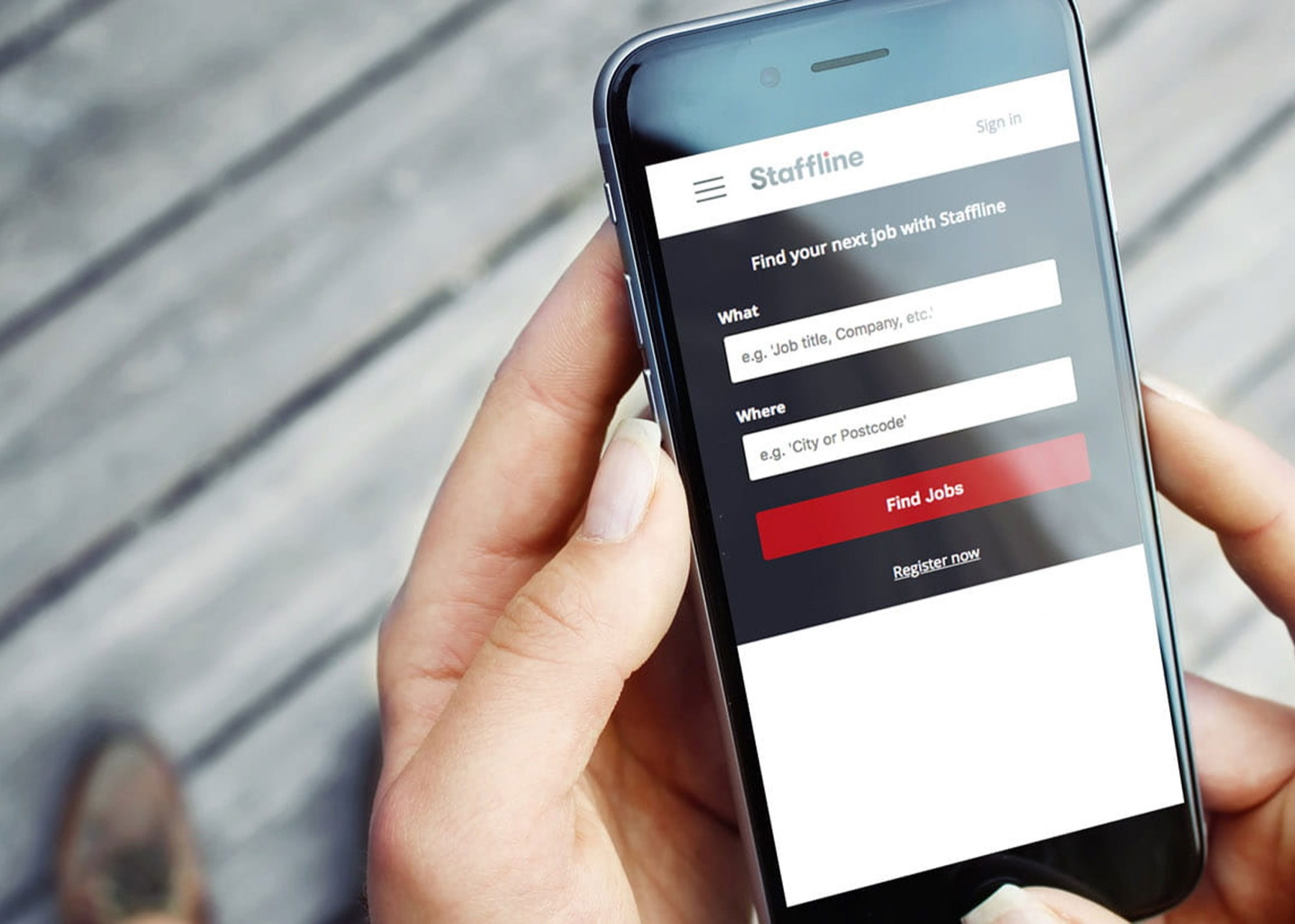
Staffline shows what that looks like. The UK's largest provider of blue-collar recruitment was finding it increasingly hard to source candidates. Our analysis found why: its job adverts were barely optimised for search, and its job search was flawed and cumbersome, so candidates struggled first to find the jobs and then to apply. Nobody needed a deadline, because the cost was already being paid in people who wanted the work and could not get to it. With that in plain view, a total overhaul of the site and its technology was agreed.

Their consultative approach unveiled to us a multitude of improvements we could make to our digital strategy.
Side by side, the two versions are easy to tell apart.
| Manufactured loss | Revealed loss | |
|---|---|---|
| Where it comes from | The seller's need to close | The reader's own situation |
| What it sounds like | "Offer ends tonight" | "This is where your enquiries drop out" |
| Can they check it? | Rarely, and it falls apart when they do | Yes, and checking makes it stronger |
| How it feels afterwards | Pushed | Helped |
| What it does to trust | Spends it | Builds it |
Loss aversion cuts both ways
To the person deciding, choosing you is also a possible loss: something known given up, and time, money and their own standing at risk if it goes wrong, and that often keeps people with the provider they already have.
We heard exactly this when we interviewed the solicitors and insurers who choose Bush & Co. Relationships were built on the quality and personality of the case managers, and solicitors searched by geography first. They were also cautious by nature, so trying someone new needed a push.
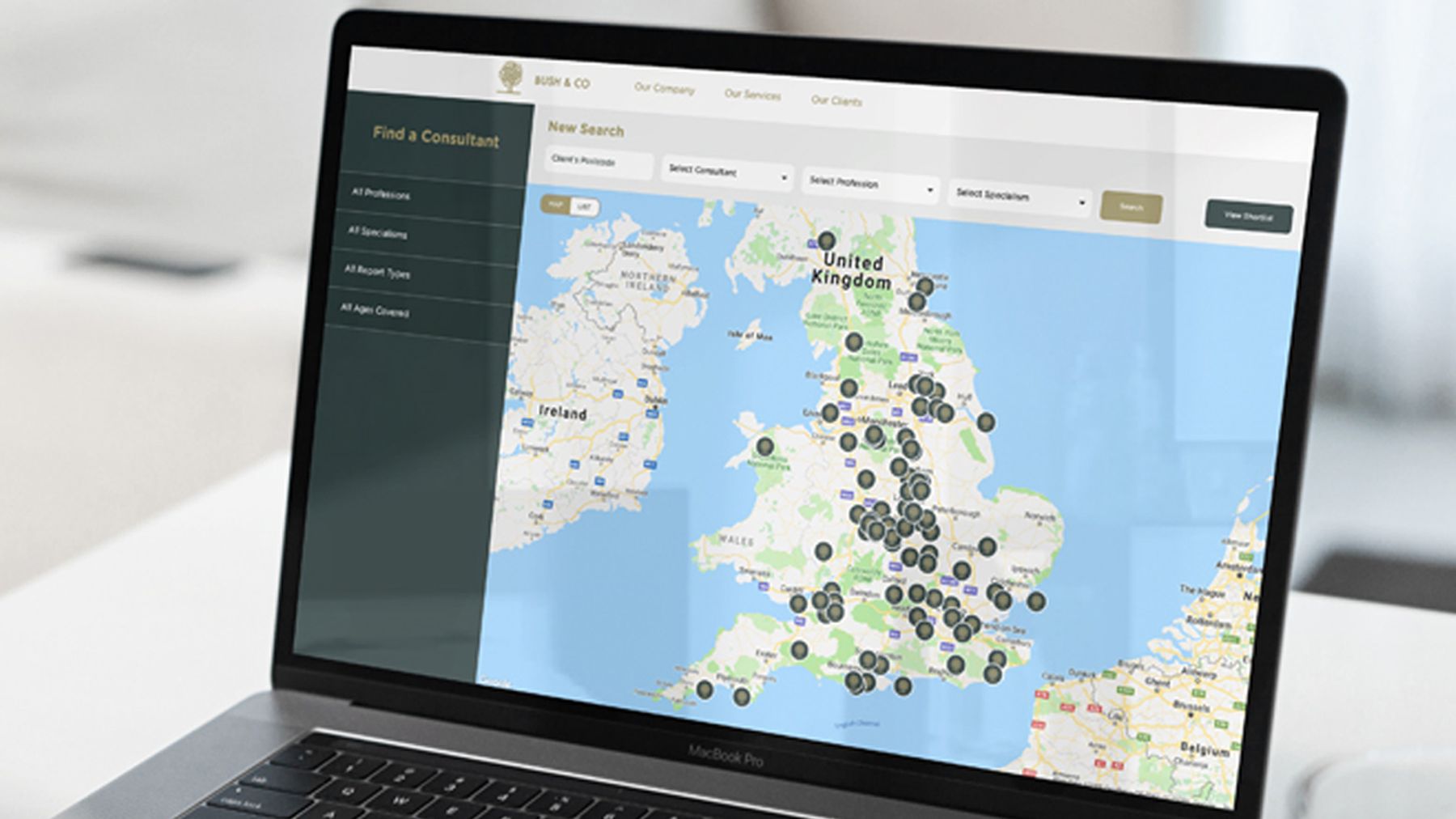
The honest push was to take the risk out of trying rather than to frighten them. We built a consultant finder on a visual map, where solicitors filter by specialism, geography and experience, shortlist, download CVs and save their searches. A cautious solicitor can see who they would be trusting before picking up the phone.
So when someone hesitates, rather than reaching for a scarier message, ask what they would be giving up by choosing you and make that smaller, by showing the people and the work, keeping the first step small and saying plainly what happens next. Our piece on why defaults quietly decide more than your sales pitch comes at the same idea from another side.
A test for any loss-framed message
Of any message that leans on loss, ask whether the loss is real and already happening, or manufactured to apply pressure. If it is real, you are doing the reader a service by making it visible. If it is manufactured, you are spending trust for a short-term nudge, and they will feel it.
- 01Find the cost they are already paying
Look at where people drop out, stall or choose someone else. Better still, ask a few of them.
- 02Check it is real
If you cannot show where a number came from, leave it out.
- 03Name it in their words
Describe the loss the way the people paying it would, not in your sector's language.
- 04Pair it with a way out
A cost with no next step only causes worry, so follow it with one clear, low-risk action.
- 05Remove anything manufactured
Take out deadlines that are not real, stock that never runs out, and anything else that is not true.
Persuasion helps someone see their situation more clearly, while pressure hopes they will not look too closely. The first is what behavioural design is for, and it starts by listening to the people you want to reach, the heart of human-centred design.
Common questions
Is using loss aversion in marketing manipulative?
Only when the loss is invented or exaggerated. Showing someone a real cost they are already paying helps them decide, whereas inventing one to rush them does not. A good test is whether they would thank you once they saw the full picture.
Does loss aversion apply to organisations as well as consumers?
Yes. Someone choosing for a business, a charity or a public body often carries the risk of a bad choice personally, in front of colleagues. That makes the fear of switching strong, so lowering the risk of choosing you usually matters more than warning them what they stand to lose.
What is the difference between loss aversion and FOMO?
Fear of missing out is a loss frame aimed at an opportunity: act now, or others get what you did not. It is honest when the opportunity really is limited. In marketing it is often manufactured, which is why it wears thin so quickly.