
In this article
Everything we write comes back to one idea, which is to decide from how people really behave rather than how you would like them to. It sounds obvious, and it is also the step most easily skipped when a deadline is close, which is why doing it properly gives you an advantage.
It holds whoever you need to reach, whether a finance director, a homeowner choosing a kitchen, a patient or a supporter of a cause, and at Ideate Partners it is how every brand, website and campaign starts.
Start with people, before anything is designed
The most valuable work is understanding the people who have to choose, through real research rather than assumption. Talk to customers, to the people who recommend you and to the ones who went elsewhere, then read what they say alongside your data and your team's view. What good discovery actually looks like sets out how.
The finding that changes the work is often one the team inside could not have seen, because they are too close to it. Research that tells you something you did not already believe is worth more than any amount of work built on a confident hunch.
HCML provides rehabilitation, case management, occupational health and workplace wellbeing. When we interviewed the intermediaries who recommend and buy its corporate health services, they told us they hunt for trends and credible content to share, and turn overwhelmingly to LinkedIn to find it. They wanted to hear from a provider all year round rather than be bombarded, and real stories landed harder than messages built around services. That became a year of content and communications built around ethical, behavioural nudges: a LinkedIn calendar, segmented email programmes, landing pages and lived experience stories.
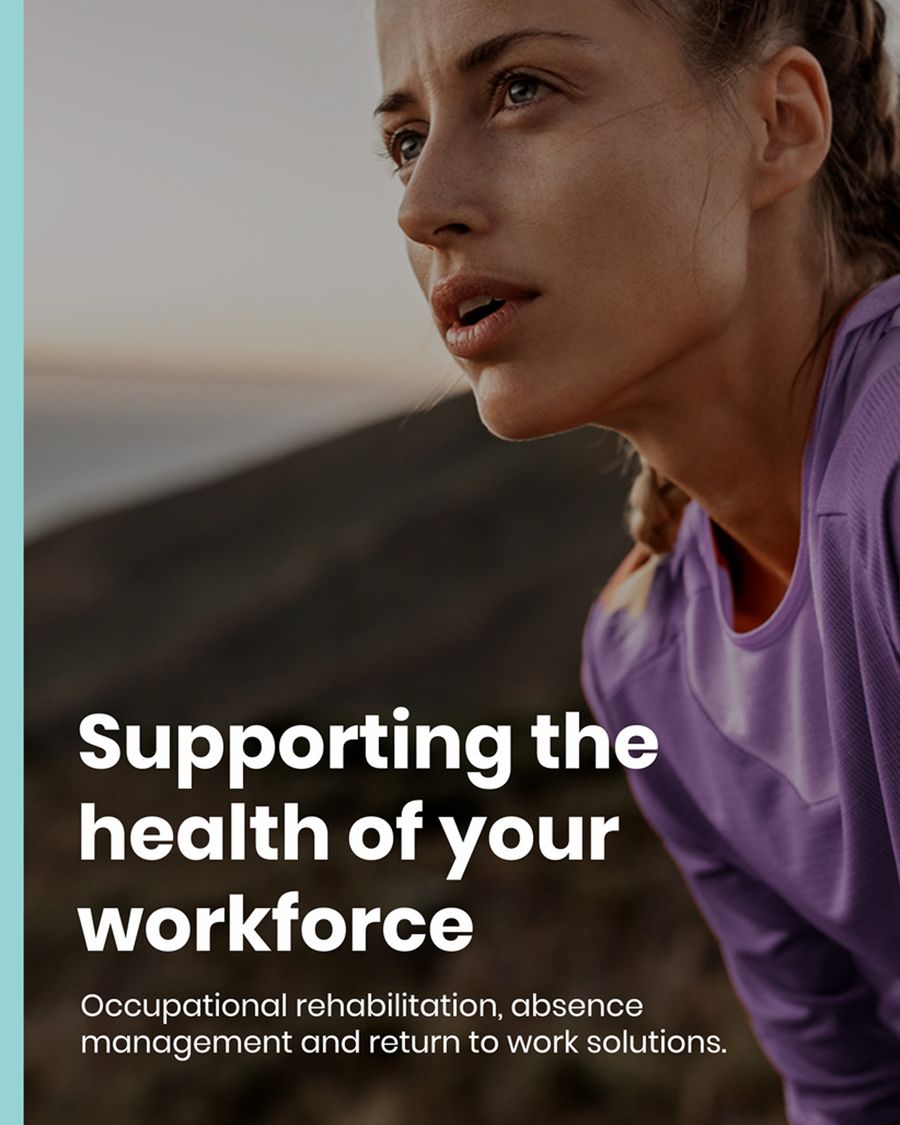
That insight then ran through everything, from our messaging and LinkedIn content to the new website and case manager search tool. We came away with a brand that finally sounds like us and a content strategy that speaks straight to the people we most want to reach.
Design for how people really decide
People tend to act when the next step is easy rather than when they are most convinced, which is the first of five habits that run through how busy people decide. None of them is cynical, and a brand or a website works when it is designed with them rather than against them.
| How people decide | What it means for your marketing | Read more |
|---|---|---|
| They act when the next step is easy | One clear action on each page, with nothing in the way | One clear call to action |
| They accept the default | Make the option most people should choose the one already chosen | How defaults decide |
| They look sideways for proof | Show people like them, saying something specific | Social proof that works |
| They avoid loss more than they chase gain | Say honestly what waiting costs, without pressure | Loss aversion, used honestly |
| They trust what they understand quickly | Explain what you do in words a newcomer gets first time | Making a complex offer simple |
For Emis Health, which makes specialist software for healthcare providers, the work was about moving more patients online. It brought together behavioural design research, a messaging strategy built around patients' own pains, and a programme of social media and SMS nudges and prompts. The plan ran across eight channels, from the receptionist's script and posters in the surgery to direct mail, email and the website, with tool kits for the surgeries.

That is behavioural design in practice: a plan built around how people actually make a small decision, with no tricks in it.
Take things away
Most improvement comes from removing rather than adding, with fewer messages, fewer steps and fewer competing choices. Every extra option is one more thing to weigh, and a busy person with too much to weigh often puts the decision off.
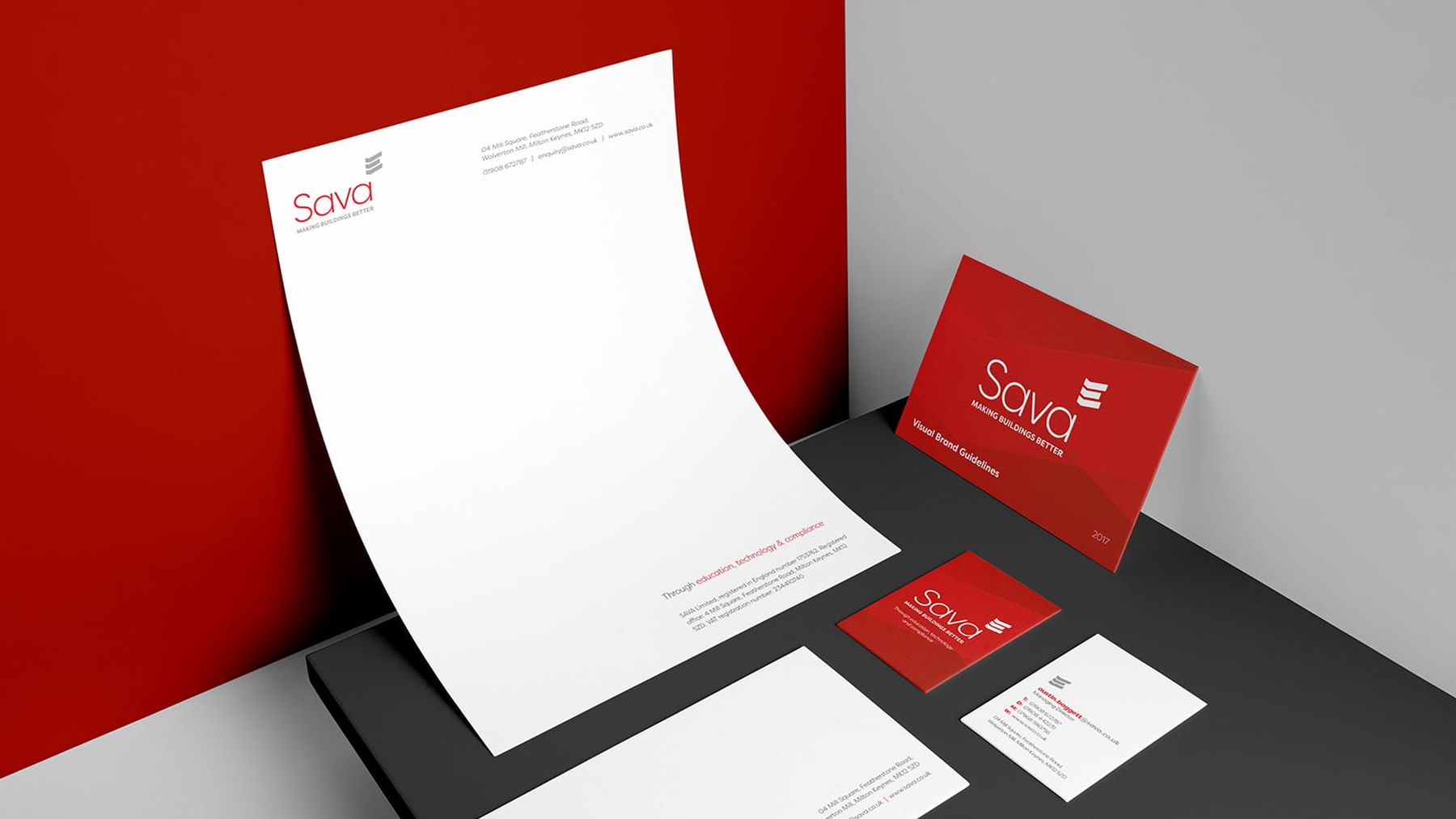
Sava began as National Energy Services, with several brands, divisions and websites that were each strong on their own but confusing together. We brought them under one name, one identity and one corporate site that explained the offer clearly to each audience. At the scale of one website, Anglia Interiors shows the same idea: every page on its new site leads to one next step, a design visit. And for Staffline, we streamlined how candidates register and apply, which made applying far quicker.
What a year of it looks like
Human-centred marketing runs as a rhythm rather than a campaign. A year usually follows the order below, with timings that stretch or shrink with the size of the decision.
- 01Listen
Talk to the people who buy, use and recommend, and to some who chose someone else.
- 02Decide what to say
Pin down the main reason people choose you and what stops them, in a sentence the whole organisation can use.
- 03Build the few things that carry it
Usually a clearer website, a sales story and a small set of content, rather than everything at once.
- 04Plan around their year
Keep a steady rhythm people are glad to hear from, rather than bursts whenever you have news.
- 05Launch, then watch
Look at where people hesitate, where they leave and what they ask before they commit.
- 06Sharpen
Keep what works, change what does not, and go back to the people when something surprises you.
Our services follow the same order. Positioning and strategy covers the first two steps, and is where brand strategy sits. Branding and digital are the third, covering a brand identity, a website redesign or the sales tools that carry the story. Marketing and visibility is the last three, the marketing itself, which our marketing consultancy can plan with you. The whole process is on how we work.
Anderson Group, a global outsourcing and payroll business, shows the shape. It started with senior management workshops, to turn a complicated offer into one that made sense to the people using it. Its audience had little time or interest in the subject, so the work leaned on short films, case studies and animations to debunk the myths of outsourcing. Once the brand and sales material were in place, we developed and ran its annual marketing and digital plans.
Understand the people, design for how they really decide, then test and sharpen. That is the whole method.
Nothing is finished at launch
Launch day is where the evidence starts rather than where the project ends. What people actually do is the only real verdict, so watch it and change what is not working, because evidence beats opinion, including ours.
You do not need expensive tools for this, since most of what you need is already to hand:
- Google Search Console, which is free, shows the searches that bring people to you and the pages they land on.
- Your analytics show where people stop on the way to getting in touch.
- Your inbox and your sales calls show the questions people ask before they commit, and each one is a gap your website could close.
- A few conversations a year with the people themselves keep the picture from going stale.
Taking the person seriously
Underneath all of this is the discipline of taking the person on the other side seriously all year round, which is where human-centred design begins.
Common questions
What is human-centred marketing?
It is marketing planned around how the people you want to reach really think, behave and decide, found out through research rather than assumed. It borrows its method from human-centred design: understand people first, design around what you learn, test it, and keep improving once it is live.
Is it only for businesses that sell to other businesses?
No. The method is the same whether people buy for a business, buy for themselves or give to a cause, and only who you talk to and what they are deciding change. We use it with every kind of business, with charities and with the public sector.
Do we need a big research budget?
No. The size of the decision sets the size of the research, and a handful of good conversations with an honest look at your analytics will often change a plan. What matters is that someone goes and finds out before the money is spent.
How is this different from being customer-focused?
Plenty of organisations say they put customers first, and the difference lies in evidence: human-centred work goes and asks, watches what people do as well as what they say, and changes the plan when the answer is a surprise.