
In this article
A marketing funnel is the picture of how people go from never having heard of you to choosing you. Wide at the top, where many people notice. Narrow at the bottom, where a few decide. Most guides spend their time on the stages.
The stages matter less than the gaps between them. The real use of a funnel is to ask one question: where do people leave, and why?
What is a marketing funnel?
The idea is a century old. William W. Townsend linked it to leading a customer from attention to interest in Bond Salesmanship, in 1924. The sequence he drew on ran attention, interest, desire, action.
Today most people describe three or four stages.
| Stage | Also called | What the person is doing | What they need from you |
|---|---|---|---|
| Awareness | Top of funnel | Noticing a problem, or noticing you | A reason to pay attention |
| Consideration | Middle of funnel | Comparing options, including doing nothing | Something they can check |
| Decision | Bottom of funnel | Choosing, and taking the step | A next step that is easy and safe |
| After | Loyalty, advocacy | Using what they chose, and telling others | To find the choice was right |
The same shape fits a supporter choosing a charity, a candidate choosing an employer or a resident using a public service. Only the last step changes: a donation, an application, a booking.
What the shape gets wrong
A funnel implies gravity. People enter at the top and fall steadily through. Real decisions rarely work like that.
People stall. Many leave in the middle because the need is not urgent yet. They will be back in six months, or never, depending on whether you are still in mind when the need arrives.
People arrive halfway down. A recommendation from a colleague, a solicitor or a friend drops someone straight into consideration. They skip your awareness work entirely, and judge you on one page.
People go round again. They compare, leave, read something elsewhere and return by a different door.
So the funnel is a good map of questions and a poor model of behaviour. Use it to find the leak, not to predict anyone.
Not now, or not you
Separate timing from fit. Someone who leaves because the timing is wrong needs to be remembered. Someone who leaves because you looked wrong for them needs a clearer case. One fix is patience and presence. The other is positioning and proof.
Treat them the same and you chase people who were never going to fit, or give up on people who were simply not ready.
Where people actually leave
Five places to look, each with a different cause.
| Where | What it looks like | Possible cause to investigate |
|---|---|---|
| Before they notice | Few of the right people ever arrive | The problem does not feel like theirs yet |
| On arrival | Visits, but short ones | They cannot tell what you do, or whether it is for them |
| In the long middle | Interest, then silence | Not now, and nothing keeps you in mind |
| At the last step | Started, not finished | Effort, doubt or delay in the enquiry itself |
| After the first choice | One purchase, no return, no referral | The experience did not match the promise |
Two of these have their own articles: the real cost of a confusing website covers the leak on arrival, and designing an enquiry journey people finish covers the last step. The other three are easier to miss, because nothing on the website looks broken.
Before they notice: when the problem does not feel like theirs
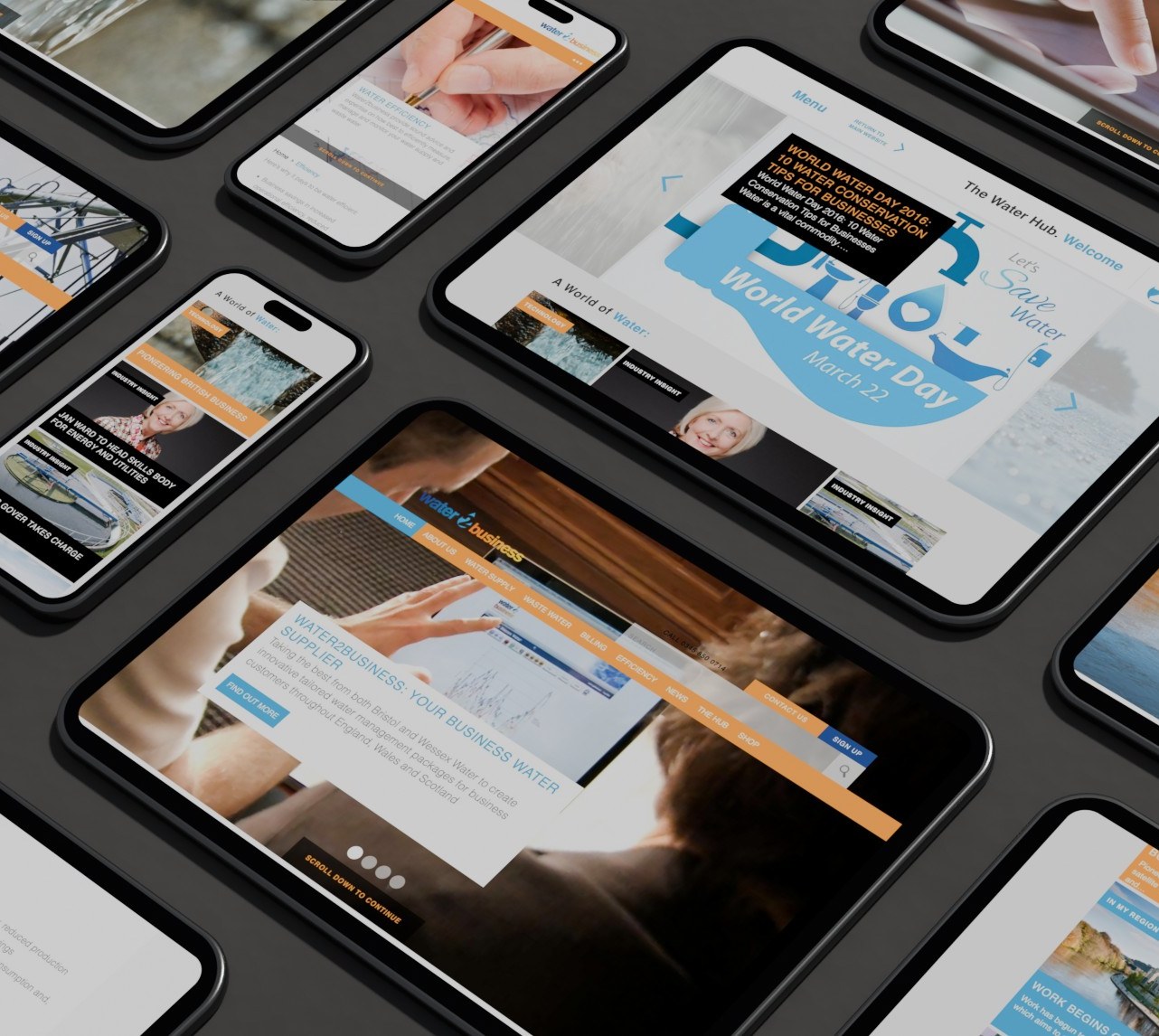
When the water market deregulated, businesses could choose their water supplier for the first time. Wessex Water and Bristol Water set up a new venture, water2business, to compete in it.
The challenge was simplifying the regulation change, and "making water supply matter to a busy Finance Director or Facilities Manager". We ran sustainability seminars and workshops with business leaders across the South West, and the discussions became a white paper. We built an information hub with balanced, objective information on the changing market, and a website that mapped out the visitor journey for current, new and prospective clients. Campaigns then went to the sectors the change affected most.

When people leave before they arrive, more advertising rarely helps. They need a reason to believe the problem is theirs, from a source they trust.
In the long middle: when the answer is not now
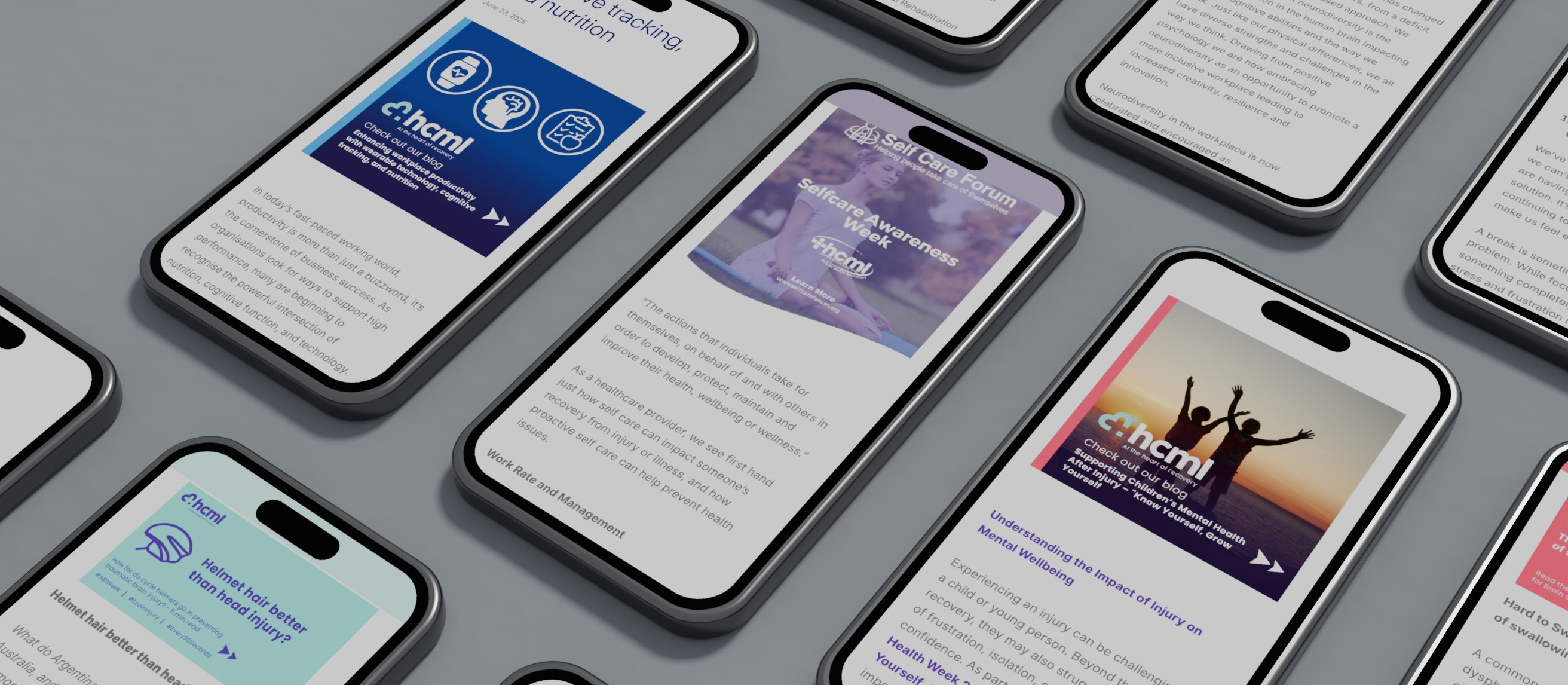
HCML sells corporate health services through intermediaries, who recommend providers to their own clients. We interviewed them. They told us they hunt constantly for credible content to pass on, turn overwhelmingly to LinkedIn to find it, and want to hear from a provider all year round rather than be bombarded. Real stories landed harder than messages built around services.
That is the long middle. The response was a year of content: a LinkedIn calendar, segmented email programmes, landing pages and lived experience stories.
After the first choice
The funnel usually stops at the sale, and many organisations stop with it. But the people who chose you are the best source of the next ones. If nobody comes back and nobody recommends you, the leak is after the bottom of the funnel, and no amount of work at the top will show it.
How to find your own leak
Three sources, read together: the data shows where people leave, the conversations show why, and what you know of the business says which leak is worth fixing first.
- 01Count the stages
Put visits to the pages that matter, enquiries started, enquiries finished and customers won side by side, for the same few months. Look for the sharpest drop.
- 02Ask the people who left
Talk to people who looked and chose someone else, or nobody. Ask what they did, not what they think. The reason is rarely the one you expect.
- 03Ask the people who stayed
Ask recent customers, supporters or applicants what nearly stopped them, and who first mentioned you.
- 04Ask your own team
Whoever takes the calls knows which enquiries were never going to fit, and which good ones went quiet.
- 05Fix one stage, then measure again
Change the weakest link first. A small fix there usually beats a big push everywhere.
Mapping every step someone takes, and every way out, is customer journey mapping. The funnel tells you which part of that map to look at first.
Measure without fooling yourself
Funnel reports look precise and often mislead.
The last step gets the credit. With last-click reporting, the final click gets the credit. The seminar, article or recommendation that started it goes unseen, so the top of the funnel looks weaker than it is.
Returning people look like new ones. Someone who reads in March and enquires in September by typing your name may show up as a fresh direct visit. The middle of the funnel hides in that gap.
Volume hides the leak. More traffic can lift the numbers enough that a broken stage never gets fixed. There is more on that in why "we need more leads" is usually the wrong brief.
Where to start
Draw your funnel on one page, with your own stage names and the last month's numbers beside each. Mark the biggest drop. Then find three people who left at that point and ask them why.
That is how our work usually begins too: data to show where, conversations to show why, then a fix to the stage that matters. It is the heart of human-centred design. If you would like a second pair of eyes, get in touch.
Common questions
What are the stages of a marketing funnel?
Usually awareness, consideration and decision, often called the top, middle and bottom of the funnel. Many models add a fourth stage after the decision, for loyalty and recommendation. The names matter less than agreeing what counts as moving from one to the next.
What is the difference between a marketing funnel and a sales funnel?
They describe the same journey from different ends. The marketing funnel covers noticing and considering; the sales funnel runs from enquiry to a signed order.
Is the marketing funnel still relevant?
As a way to ask where people leave, yes. As a model of how people decide, it was always a simplification. People stall, skip stages and come back by other routes, so use the funnel to find questions, then ask real people for the answers.